Discover Materiality in Louis Lévesque's Paintings
- jaguarCrew
- 11 hours ago
- 4 min read
Art has a unique ability to convey emotions, thoughts, and experiences through various mediums. One artist who masterfully explores the concept of materiality in his work is Louis Lévesque. His paintings not only capture the essence of the physical world but also invite viewers to engage with the materials themselves. In this blog post, we will delve into Lévesque's artistic journey, the significance of materiality in his work, and how he uses different techniques to create a profound connection between the viewer and the artwork.
Understanding Materiality in Art
Materiality refers to the physical properties of the materials used in creating an artwork. This concept goes beyond mere aesthetics; it encompasses the tactile qualities, the weight, and the presence of the materials themselves. In Lévesque's paintings, materiality plays a crucial role in how the viewer perceives and interacts with the artwork.
The Role of Texture
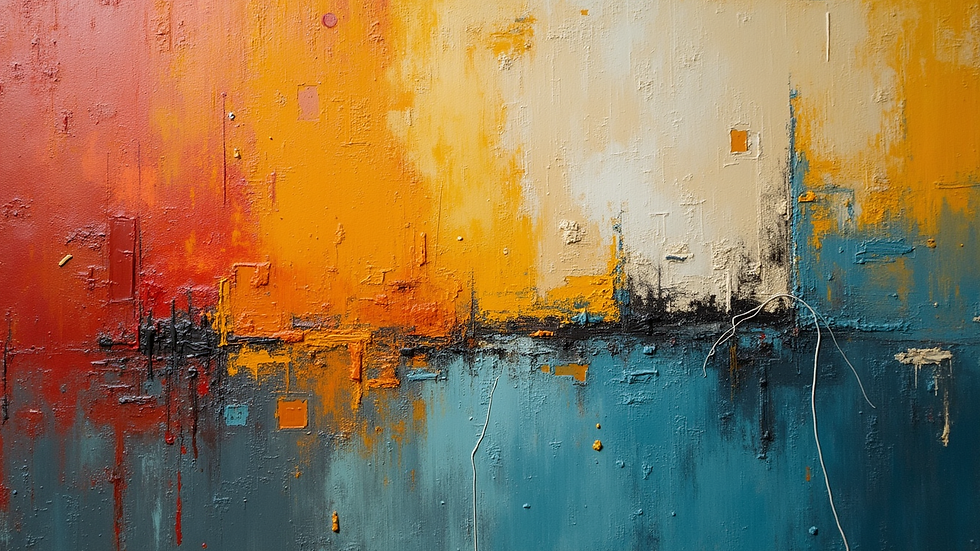
Texture is one of the most prominent aspects of Lévesque's work. He often incorporates various materials, such as sand, fabric, and paint, to create a rich, tactile surface. This layering of materials not only adds depth to the visual experience but also invites viewers to engage with the artwork on a sensory level.
For example, in his piece "Erosion," Lévesque uses a combination of rough and smooth textures to symbolize the natural processes of wear and decay. The contrasting surfaces compel the viewer to explore the painting closely, fostering a deeper connection to the themes of time and transformation.
Color and Material Interaction
Color is another vital element in Lévesque's exploration of materiality. He often employs a palette that reflects the natural world, using earthy tones and vibrant hues to evoke specific emotions. The interaction between color and material can significantly alter the viewer's perception of a piece.
In "Reflections," Lévesque utilizes a glossy finish over a matte base, creating a dynamic interplay between light and shadow. This technique not only enhances the visual appeal but also emphasizes the physicality of the materials, encouraging viewers to consider how light interacts with different surfaces.
Lévesque's Artistic Techniques
Louis Lévesque employs a variety of techniques to explore materiality in his paintings. These methods not only showcase his skill as an artist but also highlight the importance of the materials themselves.
Layering and Collage
One of Lévesque's signature techniques is layering. He often builds up multiple layers of paint and other materials to create a sense of depth and complexity. This approach allows him to manipulate the surface of the painting, resulting in a dynamic interplay of textures and colors.
In his collage works, Lévesque incorporates found objects and materials, further enhancing the tactile quality of his pieces. By integrating everyday items into his artwork, he blurs the line between fine art and the ordinary, inviting viewers to reconsider their relationship with both.
Mixed Media Exploration
Lévesque is known for his innovative use of mixed media. By combining traditional painting techniques with unconventional materials, he expands the possibilities of what a painting can be. This exploration of materiality not only enriches the visual experience but also challenges the viewer's understanding of art.
For instance, in his series "Urban Landscapes," Lévesque incorporates elements such as metal, wood, and fabric, creating a dialogue between the natural and the artificial. This fusion of materials reflects the complexities of modern life and encourages viewers to engage with the artwork on multiple levels.
The Emotional Impact of Materiality
The significance of materiality in Lévesque's work extends beyond aesthetics; it also plays a crucial role in conveying emotions and themes. By carefully selecting and manipulating materials, he creates a visceral experience that resonates with viewers.
Themes of Nature and Transformation
Many of Lévesque's paintings explore themes of nature and transformation. The use of organic materials, such as sand and earth, evokes a sense of connection to the natural world. This connection is particularly evident in works like "Cycle," where the layering of materials symbolizes the cyclical nature of life and the passage of time.
The Human Experience
Lévesque's exploration of materiality also reflects the human experience. His choice of materials often speaks to the fragility and resilience of life. In pieces like "Fragile Balance," he juxtaposes delicate materials with more robust elements, creating a visual representation of the complexities of existence.
Engaging with Lévesque's Work
To fully appreciate the depth of Louis Lévesque's paintings, it is essential to engage with the artwork on a personal level. Here are some tips for experiencing his work:
Take Your Time
When viewing Lévesque's paintings, take the time to observe the textures, colors, and materials. Allow yourself to be drawn into the details, as they often reveal deeper meanings and emotions.
Consider the Context
Understanding the context in which Lévesque creates his work can enhance your appreciation. Researching his artistic journey and the themes he explores can provide valuable insights into the significance of materiality in his paintings.
Reflect on Your Emotions
As you engage with Lévesque's work, pay attention to your emotional responses. What feelings do the materials and textures evoke? How do they relate to your own experiences? This reflection can deepen your connection to the artwork.
Conclusion
Louis Lévesque's exploration of materiality in his paintings invites viewers to engage with art in a profound and meaningful way. Through his innovative techniques and thoughtful use of materials, he creates a sensory experience that resonates on multiple levels. By understanding the significance of materiality in his work, we can appreciate the depth and complexity of his artistic vision.
As you explore Lévesque's paintings, remember to take your time, consider the context, and reflect on your emotions. This engagement will not only enhance your appreciation of his art but also foster a deeper connection to the themes he explores. Embrace the journey of discovery in Lévesque's work, and allow yourself to be captivated by the beauty of materiality.


Comments